Monday, May 11, 2020

Fwd: Fixing America’s broken caregiving system is key to rebuilding our economy


---------- Forwarded message ---------
From: Melinda Gates via LinkedIn <newsletters-noreply@linkedin.com>
Date: Mon, May 11, 2020 at 9:36 AM
Subject: Fixing America's broken caregiving system is key to rebuilding our economy
To: Steve Scott <stevescott@techacq.com>


In many ways, the pandemic has made the often-hidden work of caregiving more...
LinkedIn

Steve Scott

Steve Scott
 
NEWSLETTER ON LINKEDIN
Notes from Melinda

Fixing America's broken caregiving system is key to rebuilding our economy

Newsletter cover image

In many ways, the pandemic has made the often-hidden work of caregiving more visible. It's also made it a lot more difficult.

I shared some thoughts in The Washington Post about how new solutions for caregivers – including long-overdue policies like paid family and medical leave – are key to reviving our economy as the country seeks to recover from this crisis.

- Melinda

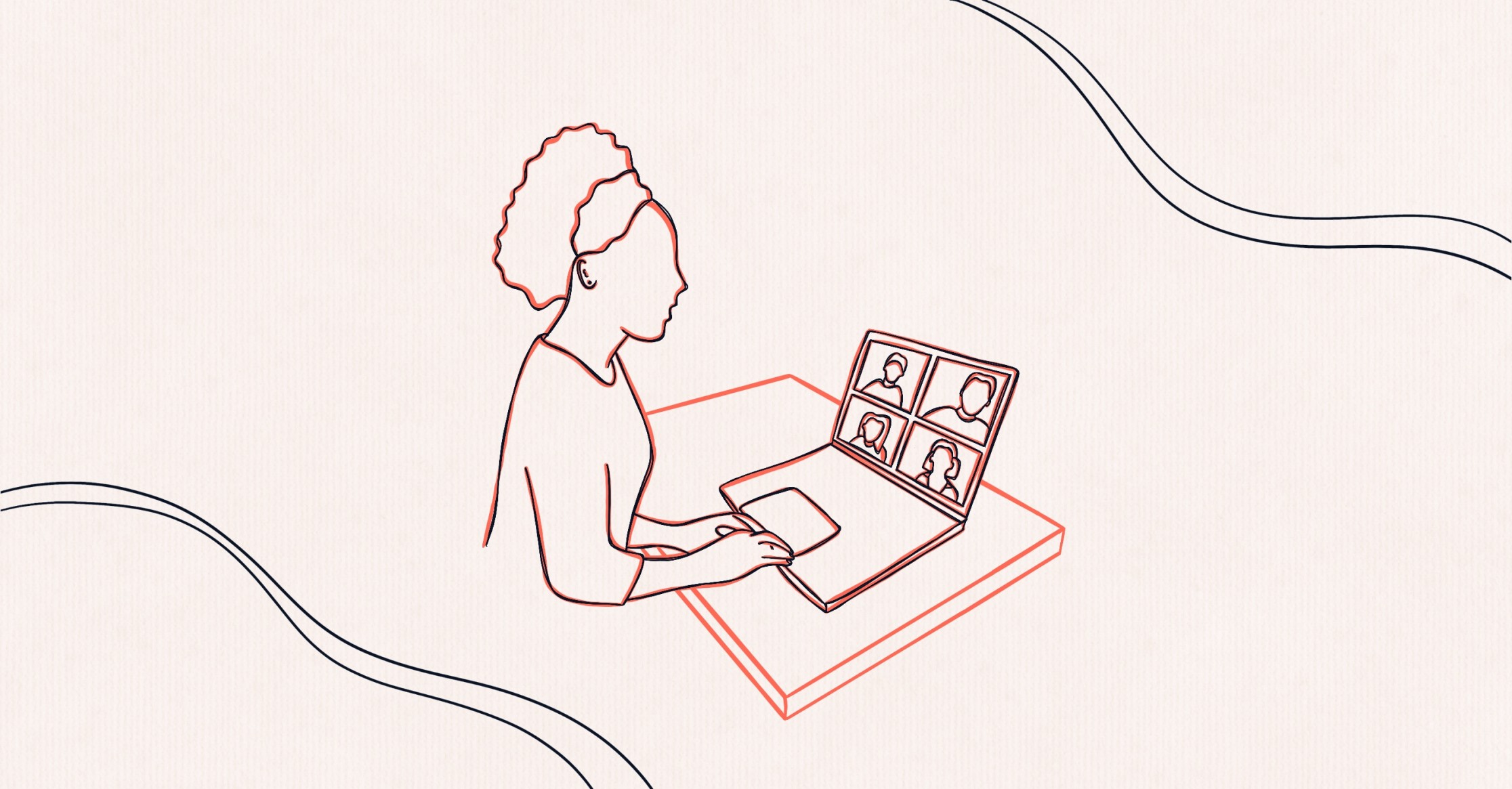
As workday interruptions go, it was a cute one. Midway through a video call with our foundation's COVID-19 response team, a naked toddler appeared in the corner of the screen.

Comic relief is in short supply these days, and we all welcomed the laugh. Later, it occurred to me that the moment had a certain symbolic significance. It is — and should be — impossible to have a meaningful conversation about recovering from this pandemic without addressing an aspect of Americans' lives that is too often invisible: caregiving.

No alt text provided for this image
It is — and should be — impossible to have a meaningful conversation about recovering from this pandemic without addressing an aspect of Americans' lives that is too often invisible: caregiving.

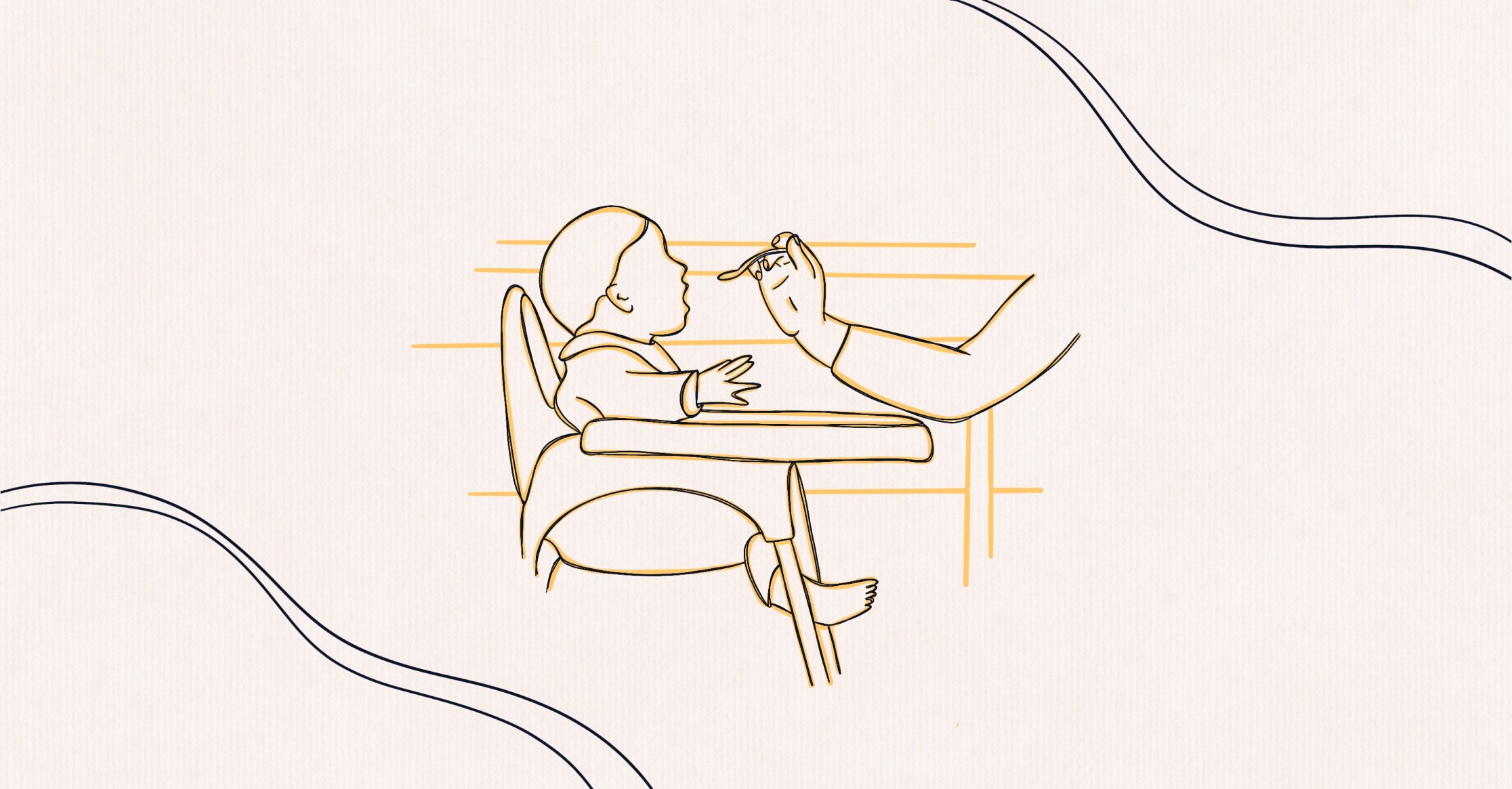
To safely reopen the country, healthy people need to be able to go to work and sick people need to be able to stay home. We know that will require scaling up testing and contact tracing. We overlook that it will require scaling up caregiving solutions, too. It's hard to stay home sick in a country where 1 in 4 workers lacks even a single paid sick day. It's also hard to get back to work when you're responsible for children or older adults but have nowhere to turn for safe, affordable care.

Even before the pandemic, caregiving options were inadequate and expensive. Now, everything that already made life hard for working families is about to get worse. Forty-seven states have closed schools for the academic year. Thousands of day-care centers may never reopen. The threat of covid-19 has made otherwise self-sufficient seniors reliant on their families in new ways.

No alt text provided for this image

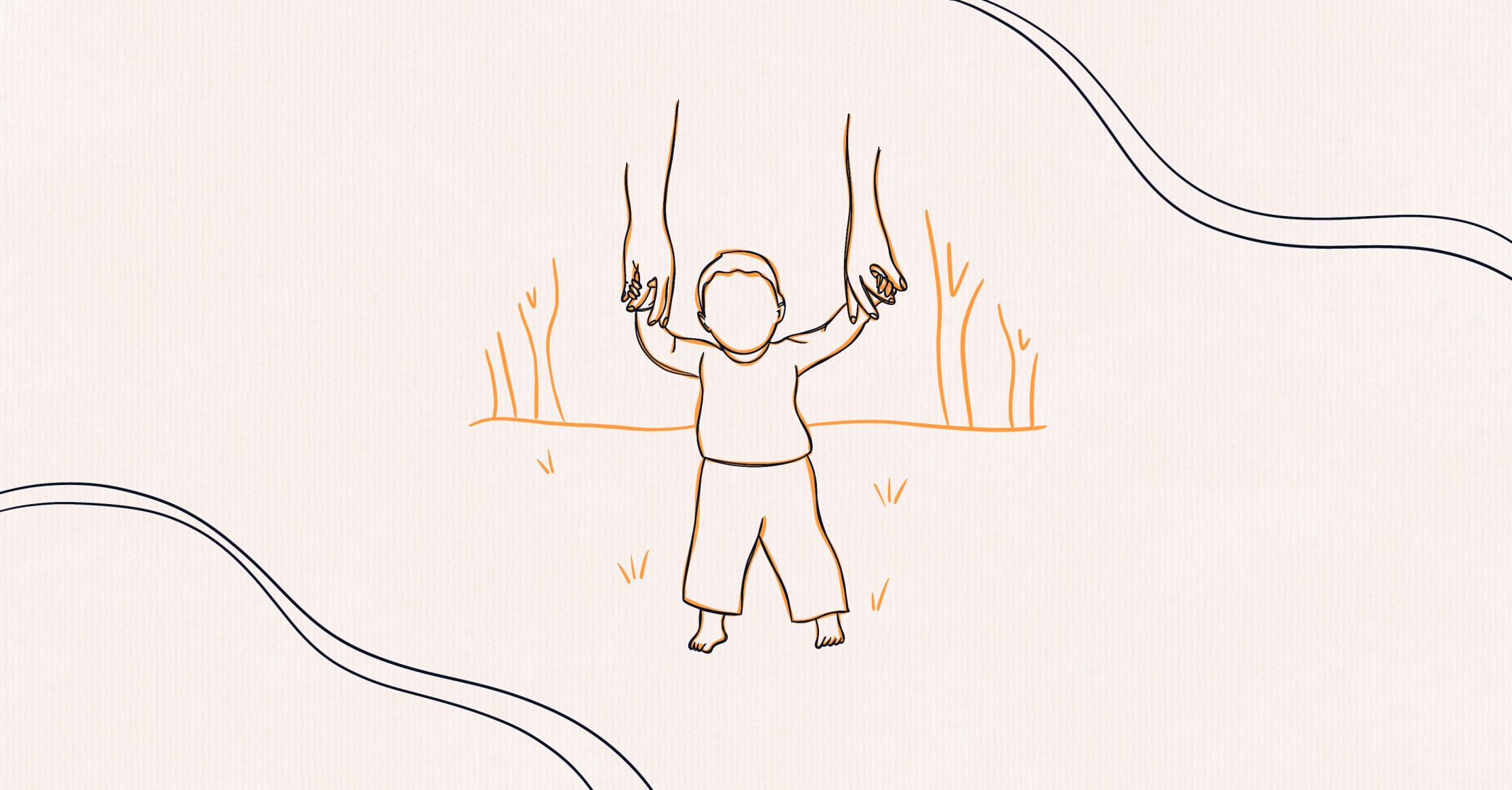
It's no mystery who will bear most of the burden. It's women. It's always women. Even though most women now work full-time outside the home, they still spend two hours more each day on household tasks and caregiving, are 10 times more likely to stay home with sick children and are nearly three times as likely as fathers to quit their jobs to take care of a family member. The data tell us that the unpaid caregiving work done by women in their households is, in fact, one of the biggest barriers they face to equal opportunity in the workforce. Post-pandemic, they risk falling even further behind.

It's no mystery who will bear most of the burden. It's women. It's always women.

If there were ever an excuse for inaction, there isn't one anymore. To ensure a fast and inclusive recovery, governments, business leaders and investors need to make caregiving a priority.

Lawmakers can start by expanding access to paid sick and family leave for the duration of this crisis. The emergency provisions recently passed by Congress are an important first step, but they provide too few sick days and cover too few workers. Future stimulus packages should also offer additional assistance to child-care facilities, so they can stay open to serve essential workers now and return to full capacity when needed.

Congress should also enact a national paid family and medical leave policy that will guarantee men and women the ability to take time away from their jobs to care for a loved one or recover from an illness without threatening their financial stability. Paid leave has been shown to improve the health of women and children, boost men's participation in caregiving and keep women in the workforce. It should be a cornerstone of our social contract.

No alt text provided for this image

But even with these new federal policies in place, workers with caregiving responsibilities would need increased flexibility from their employers. Some companies have rapidly scaled up remote-working capabilities, which, if kept in place, could actually improve recruitment and retention of female employees in the long run.

We also need solutions for essential workers, who, studies show, are more likely to be women — and, more specifically, women of color. To keep the country running — and keep these nurses, transportation workers and grocery-store cashiers in the workforce — employers should explore offering options such as modified schedules, on-site child care, and subsidies for child care and eldercare.

New market-based solutions can help, too. Parents looking for alternative child-care arrangements may look, for example, to a company called Winnie, which connects parents and child-care providers. Seniors and their caregivers may look to Papa, which offers older adults rides, assistance and companionship. My company, Pivotal Ventures, has invested directly and through partners in these companies and others as part of our broader strategy to drive caregiving innovation. Entrepreneurs with bold ideas to modernize care should have the opportunity to realize them.

No alt text provided for this image

It shouldn't have taken a national emergency to put caregiving on the agenda, but it isn't the first time this has happened. During World War II, governments and businesses partnered to open "war nurseries" across the country. While Rosie the Riveter was on the assembly line, she needed child care.

But when the war ended, the soldiers returned, Rosie was sent home and the nurseries closed. Instead of using the lessons from that emergency to better prepare for the next one, America shifted the responsibility onto someone else.

As it turns out, that someone was us. We may not have created the broken caregiving system, but our only chance of recovering and rebuilding is to be the ones who fix it.

Know someone who might be interested in this newsletter? Share it with them.

NEWSLETTER ON LINKEDIN Share this series on LinkedIn Share this series on Faceoobk Share this series on Twitter
Unsubscribe  |   Help

You are receiving LinkedIn notification emails.

This email was intended for Steve Scott (Independent Director/Interim CEO | Growth - Funding - Scaling Strategist | Venture | CEO Advisor | Speaker). Learn why we included this.

LinkedIn

© 2020 LinkedIn Corporation, 1000 West Maude Avenue, Sunnyvale, CA 94085. LinkedIn and the LinkedIn logo are registered trademarks of LinkedIn.

Friday, May 8, 2020

Fwd: Doug Casey on How Fascism Comes to America


---------- Forwarded message ---------
From: Casey Daily Dispatch <subscribers@exct.caseyresearch.com>
Date: Fri, May 8, 2020 at 1:03 PM
Subject: Doug Casey on How Fascism Comes to America
To: <stevescott@techacq.com>


Trouble viewing this e-mail? Click here to read it online

CASEY DAILY DISPATCH - Casey Research

Editor's note: If you've been following along in the Dispatch, you know our founder, Doug Casey, believes that the U.S. is well on its way to becoming a police state. And with the recent coronavirus scare triggering more economic uncertainty, plenty of Americans fear this is an opportunity for the government to seize more control of our lives.

So today, Doug digs into some of the factors that caused the government to become more aggressive… and the actions you can take to protect your money – and your freedom.


Doug Casey on How Fascism Comes to America

By Doug Casey, founder, Casey Research

Doug Casey

I think there are really only two good reasons for having a significant amount of money: To maintain a high standard of living and to ensure your personal freedom. There are other, lesser reasons, of course, including: to prove you can do it, to compensate for failings in other things, to impress others, to leave a legacy, to help perpetuate your genes, or maybe because you just can't think of something better to do with your time.

But I'll put aside those lesser motives, which I tend to view as psychological foibles. Basically, money gives you the freedom to do what you'd like – and when, how, and with whom you prefer to do it. Money allows you to have things and do things and can even assist you to be something you want to be. Unfortunately, money is a chimera in today's world and will wind up savaging billions in the years to come.

As you know, I believe we're well into what I call The Greater Depression. A lot of people believe we're in a recovery now; I think, from a long-term point of view, that is total nonsense. We're just in the eye of the hurricane and will soon be moving into the other side of the storm. But it will be far more severe than what we saw in 2008 and 2009 and will last quite a while – perhaps for many years, depending on how stupidly the government acts.

Recommended Link

OFFICIAL REPLAY: Teeka Tiwari's 5 Coins to $5 Million: Last Chance Until 2024

image

Just $500…

Into these five tiny coins…

Could make you up to $5 million richer.

All thanks to a rare crypto phenomenon 100% guaranteed to strike in less than a week. (It won't happen again until 2024.)

Watch the official replay of Teeka's 5 Coins to $5 Million: Last Chance Until 2024

Click here now
--

Real Reasons for Optimism

There are reasons for optimism, of course, and at least two of them make sense.

The first is that every individual wants to improve his economic status. Many (but by no means all) of them will intuit that the surest way to do so is to produce more than they consume and save the difference. That creates capital, which can be invested in or loaned to productive enterprises. But what if outside forces make that impossible, or at least much harder than it should be?

The second reason for optimism is the development of technology – which is the ability to manipulate the material world to suit our desires. Scientists and engineers develop technology, and that also adds to the supply of capital. The more complex technology becomes, the more outside capital is required. But what if sufficient capital isn't generated by individuals and businesses to fund further technological advances?

There are no guarantees in life. Throughout the first several hundred thousand years of human existence, very little capital was accumulated – perhaps a few skins or arrowheads passed on to the next generation. And there was very little improvement in technology – it was many millennia between the taming of fire and, say, the invention of the bow.

Things very gradually accelerated and improved, in a start-stop-start kind of way – the classical world, followed by the Dark Ages, followed by the medieval world. Finally, as we entered the industrial world 200 years ago, it looked like we were on an accelerating path to the stars. All of a sudden, life was no longer necessarily so solitary, poor, nasty, brutish, or short.

I'm reasonably confident things will continue improving, possibly at an accelerating rate. But only if individuals create more capital than they consume and if enough of that capital is directed towards productive technology.

Real Reasons for Pessimism

Those are the two mainsprings of human progress: capital accumulation and technology. Unfortunately, however, that reality has become obscured by a morass of false and destructive theories, abetted by a world that's become so complex that it's too difficult for most people to sort out cause and effect.

Furthermore, most people in the OECD world have become so accustomed to good times, since the end of WW2, that they think prosperity is automatic and a permanent feature of the cosmic firmament. So although I'm very optimistic, progress – certainly over the near term – isn't guaranteed.

These are the main reasons why the standard of living has been artificially high in the advanced world, but don't confuse them with the two reasons for long-term prosperity.

The first is debt. There's nothing wrong with debt in itself; lending is one way for the owner of capital to deploy it. But if a society is going to advance, debt should be largely for productive purposes, so that it's self-liquidating; and most of it would necessarily be short term.

But most of the scores of trillions of debt in the world today are for consumption, not production. And the debt is not only not self-liquidating, it's compounding. And most of it is long term, with no relation to any specific asset. A lender can reasonably predict the value of a short-term loan, but debt payable in 30 years is impossible to value realistically.

All government debt, mortgage debt, consumer debt, and almost all student loan debt does nothing but allow borrowers to live off the capital others have accumulated. It turns the debtors into indentured servants for the indefinite future. The entire world has basically overlooked this, along with most other tenets of sound economics.

The second is inflation. Like debt, inflation induces people to live above their means, but its consequences are even worse, because they're indirect and delayed.

If the central bank deposited $10,000 in everyone's bank account next Monday, everyone would think they were wealthier and start consuming more. This would start a business cycle. The business cycle is always the result of currency inflation, no matter how subtle or mild. And it always results in a depression. The longer an inflation goes on, the more ingrained the distortions and misallocations of capital become, and the worse the resulting depression.

We've had a number of inflationary cycles since the end of the last depression in 1948. I believe we're now at the end of what might be called a super-cycle, resulting in a super-depression.

The third is the export of dollars. This is unique to the U.S. and is the reason the depression in the U.S. will in some ways be worse than most other places.

Since the early '70s, the dollar has been used the way gold once was – it's the world's currency. The problem is that the U.S. has exported perhaps $10 trillion – but nobody knows – in exchange for good things from around the world. It was a great trade for a while. The foreigners get paper created at essentially zero cost, while Americans live high on the hog with the goodies those dollars buy.

But at some point quite soon, dollars won't be readily accepted, and smart foreigners will start dumping their dollars, passing the Old Maid card. Ultimately, most of the dollars will come back to the U.S., to be traded for titles to land and businesses. Americans will find that they traded their birthright for a storage unit full of TVs and assorted tchotchkes. But many foreigners will also be stuck with dollars and suffer a huge loss. It's actually a game with no winner.

Recommended Link

The FDA Just Handed This Small Cap a "Golden Ticket"

image

Silicon Valley angel investor Jeff Brown uncovered a small cap with a breakthrough new treatment that's already made it further than 99.9% of those the FDA approves for testing.

Over the next 12 months, once-in-a-lifetime gains of 3,277%, 5,940% or 10,645% are not out of the question… with just one simple move. Because by law, this tiny biotech must report trial results ASAP.

Click here before it's too late
--

What's Next

These last three factors have enabled essentially the whole world to live above its means for decades. The process has been actively facilitated by governments everywhere. People like living above their means, and governments prefer to see the masses sated.

The debt and inflation have also financed the growth of the welfare state, making a large percentage of the masses dependent, even while they've also resulted in an immense expansion in the size and power of the state over the last 60-odd years.

The masses have come to think government is a magical entity that can do almost anything, including kiss the economy and make it better when the going gets tough. The type of people who are drawn to the government are eager to make the state a panacea. So they'll redouble their efforts in the fiscal and monetary areas I've described above, albeit with increasingly disastrous results.

They'll also become quite aggressive with regulations (on what you can do and say, and where your money can go) and taxes (much higher existing taxes and lots of new ones, like a national value-added tax and a wealth tax). And since nobody wants to take the blame for problems, they'll blame things on foreigners. Fortunately (the U.S. will think) they have a huge military and will employ it promiscuously. So the already bankrupt nations of NATO will dig the hole deeper with some serious – but distracting – new wars.

It's most unfortunate, but the U.S. and its allies will turn into authoritarian police states. Even more than they are today. Much more, actually. They'll all be perfectly fascist – private ownership of both consumer goods and the means of production topped by state control of both. Fascism operates free of underlying principles or philosophy; it's totally the whim of the people in control, and they'll prove ever more ruthless.

So where does that leave us, as far as accumulating more wealth than the average guy is concerned? I'd say it puts us in a rather troubling position.

The general standard of living is going to collapse, as will your personal freedom. And if you're an upper-middle-class person (I suspect that includes most who are now reading this), you will be considered among the rich who are somehow (this is actually a complex subject worthy of discussion) responsible for the bad times and therefore liable to be eaten. The bottom line is that if you value your money and your freedom, you'll take action.

There's much, much more to be said on all this. I've said a lot on the topic over the past few years, at some length. But I thought it best to be brief here, for the purpose of emphasis. Essentially, act now, because the world's combined economic, financial, political, social, and military situation is as good as it will be for many years… and a lot better than it has any right to be.

What to Do?

No new advice here, at least as far as veteran readers are concerned. But my suspicion is that very few of you have acted, even if you understand why you should act. Peer pressure (I'm confident that you have few, if any, friends, relatives, or associates who think along these lines) and inertia are powerful forces.

That said, you should do the following:

  1. Maintain significant bank and brokerage accounts outside your home country. Consider setting up an offshore asset protection trust. These things aren't as easy to do as they used to be. But they'll likely be much less easy in the future.

  2. Make sure you have a significant portion of your wealth in precious metals and a significant part of that offshore.

  3. Buy some nice foreign real estate, ideally in a place where you wouldn't mind spending some time.

  4. Work on getting official residency in another country, as well as a second citizenship/passport. There's every advantage to doing so, and no disadvantages. That's true of all these things.

One more thing: Don't worry too much. All countries seem to go through nasty phases. Within the lifetime of most people today, we've seen it in big countries such as Russia, Germany, and China. And in scores of smaller ones – the list is too long to recount here. The good news is that things almost always get better, eventually.

Regards,

signature

Doug Casey
Founder, Casey Research


Like what you're reading? Send your thoughts to feedback@caseyresearch.com.


In Case You Missed It…

Double Your Money Every 30 Days With FLIP Trading

Some people flip real estate. Others flip classic cars or vintage watches.

But with just a few dollars, Jeff Clark can show you how to start "FLIP Trading."

And once you know how to do it, you could turn a small amount of cash…

Into as much as $5,800 in 24 hours… $12,900 in 48 hours… or even $18,750 in just over a month…

All you need is a brokerage account to get started.

Learn How to Start FLIP Trading Now.

Get Instant Access

Click to read these free reports and automatically sign up for daily research.

image

The Ultimate Guide to Taking Back Your Privacy

image

The Three Best Gold Coin Deals on the Market Today

image

How You Can Start Profiting From Maganomics Today

Casey Research
55 NE 5th Avenue
Delray Beach, FL 33483
www.caseyresearch.com

Share FACEBOOK
Tweet TWITTER

To ensure our emails continue reaching your inbox, please add our email address to your address book.

This editorial email containing advertisements was sent to stevescott@techacq.com because you subscribed to this service. To stop receiving these emails, click here.

Casey Research welcomes your feedback and questions. But please note: The law prohibits us from giving personalized advice.

To contact Customer Service, call toll free Domestic/International: 1-888-512-2739, Mon–Fri, 9am–7pm ET, or email us here.

© 2020 Casey Research, LLC. All rights reserved. Any reproduction, copying, or redistribution of our content, in whole or in part, is prohibited without written permission from Casey Research, LLC.

Privacy Policy | Terms of Use

Thursday, May 7, 2020

Fwd: How to sell any kind of SERVICE


---------- Forwarded message ---------
From: Oren Klaff <oren@pitchanything.com>
Date: Thu, May 7, 2020 at 8:12 AM
Subject: How to sell any kind of SERVICE
To: <stevescott@techacq.com>


Why it's so much harder to sell services than products.
Oren Klaff Logo

Personal insight from the author of Pitch Anything & Flip the Script

"Why is it easier to sell physical products than SERVICES?"

I've spent years working on this problem.

For example, take a look at this 2016 Caterpillar 926M I just bought for a project.

image

What a beast!

I bought it online.

Used my phone.

No salesman gave me a "Big Idea", there was no "Pitch" no Problem/Solution statement.

I REALLY NEEDED IT. And since a new one costs over 400K.

I bought this one for $129,831 + free shipping.

The "salesman" made himself $15K on the deal, and I never talked to him.

That was pretty easy.

Hey, I don't mean to be judgmental or look down at people who sell physical products, because every job is difficult in some way ...

But give me a break .... physical products are easy to sell.

In comparison, selling services is a game of 3-dimensional chess.

This week I want to take you behind the scenes of how I found the answer to this chess game ...

As you're about to see, "How to Sell Services" ... is probably not what you think.

But I'm going to show the lessons about selling services that changed my ENTIRE LIFE ...

Obviously we are NOT talking about "basic services" like plumbing, roofing, HVAC,

Because you don't actually "sell" those basic services, it's more like this:

PLUMBER: Uhhhh .... sorry to tell you Mr. Klaff, you're pipes are definitely leaking, your foundation will crack in the next 4 hours. You can pay us $7,000 to fix it now, or $100,000 to fix after the block cracks. Should we start now or leave?

ME: Here's $7,000. Take my money. Thank you.

SOLD.

BUT keep in mind, the plumber is going to work very hard for that 7K.

This is why I love Professional Services and Software Services (saas).

1. You don't dig things up, you don't hammer wood or weld metal, no towing ... and you never touch anything with dirt on it.

2. Almost 100% margin!

In many ways, "professional services" like accounting, programming, creative and financial consulting are the PERFECT product:

.... Services are 95%+ gross margin and highly profitable.

........ Services are highly flexible ... it's easy to adapt to any buyer.

................. Services never break, never get returned, and there's no inventory.

It's so good...

Think about it: when you sell professional services ... You are literally selling air.

Which is great thing about it .... but also The Main Problem.

See, when you look below the surface, at the psychological level, a "Service" is made up of just three things;

#1 .... Good Ideas
#2 .........Financial Value
#3. ............Great Implementation

In other words, your "service" is the combination of 3 very abstract concepts.

... concepts taking too much brain power to think about and "buy."

So what to salespeople do to explain their service to buyers?

I see a lot of boxes and lines and post-it's on whiteboards:

image

Talking about services doesn't sell services. Mad scientist whiteboard sessions won't sell services.

THIS IS WHY THE COMMON "PITCHDECK"
WAS DEVELOPED

The pitchdeck was invented to PACKAGE YOUR IDEAS and your promises and your knowledge into a PRODUCT that people can understand and pay for.

Almost every professional service is sold via a pitchdeck. It's a skill that can take up to 5-years to learn. There is no way to guess your way into this domain ... it's a skill someone has to teach you.

image

1. The pitchdeck shows your IDEAS are real and "tangible."

Almost everyone thinks their own ideas are brilliant ... and very valuable. But consider how many of the best investors in the world passed on Google, Oracle and Palantir. Truth is, those ideas were complex, hard to explain, and hard to make tangible, and most people "didn't get it."

2. The pitchdeck proves you can IMPLEMENT your ideas.
Google wasn't worth anything until they implemented their business model generated traffic and produced revenue, then it was worth a lot. If the buyer cannot see proof you can execute and implement, no sale will happen.

3. The pitchdeck turns your service into a PRODUCT that has COMMERCIAL VALUE ... In other words, the pitchdeck says: we have a GREAT PRODUCT that will solve your problems, and when you pay us money we will make your problems go away.

The first time I truly needed a pitchdeck to show investors, was when my entire life was on the line. I needed the best pitchdeck service in the world and I was willing to pay anything for it.

First, I googled "pitchdeck services" ... and found a bunch of graphic designers who didn't know anything about my business.

Second, I downloaded "pitchdeck templates" and got lost in a maze of "lorem ipsum" text and photos of beautiful smiling models.

Next, I tried to copy and edit other people's pitchdecks ... creating Frankenstein-decks that were confusing to read.

After wasting valuable time that I could not get back, and spending $15,000 (was a lot of money to me back then) ... I came to the realization.

No Downloads.

No $495 Online Pitchdeck.

No College Students, Fiverr or Upwork.

There's only ONE WAY TO GET A REAL PITCHDECK.

It took me a month of focused work to figure this all out.

I had to learn:

- 101 Principles of Graphic desgin
- Writing for Style and Comprehension
- The Psychology of Value
- Competitive Advantage, Profitable Differentiation, Corporate Finance ...

and a dozen other principles that help humans easily communicate with each other.

And then .... I created THE ONE.

This was the pitchdeck "wireframe" that:

- Rasied $6.1 million from investors in 30 days
- Made me $600K
- Put me on the map in my industry

And MOST IMPORTANTLY ... produced the Master Pitchdeck wireframe that I use in every single deal.

And maybe this is my one superpower: the ability to quickly create a pitchdeck that will be worth millions.

Creating a pitchdeck used to take me a month, when I first invented the formula.

Now it takes an afternoon.

With this one skill, any amount of money can be found for any deal.

Any professional service can be pitched and sold.

The correctly written pitchdeck will turn your ideas into products, and products into revenue.

I'd like to show you how to correctly write and create a pitchdeck:

PACKAGE IDEAS
KEY PRINCIPLES OF DESIGN AND PSYCHOLOGY
VISUALLY ILLUSTRATE FINANCIAL VALUE
CREATE CERTAINTY THAT YOU CAN IMPLEMENT AND EXECUTE
POSITION SERVICES AS PRODUCTS
CREATE HIGH MARGIN PRICING
CREATE SCARCITY

This all happens on FRIDAY 5/15 at 12pm PST.

On Friday 5/15, I'm doing a webinar on this. You'll see how to create a pitchdeck that will pitch anything.

The webinar is called -

THE PITCHDECK FORMULA

My pitchdecks have raised over $50 billion of sales and financing.

I find this quite easy - but I've been writing pitchdecks for a long time.

I'll coach you up on this.

You can join me on FRIDAY May 15th on an hour-long training on THE PITCHDECK FORMULA.

I want you to take this session - it is a gamechanger.

When you're in control of the pitch, you can create any sale or outcome that is important to you.

You can just close deals. Immediately. No messing around.

To get into this class, you have to join Pitch Mastery here.

You can get access to this webinar: THE PITCHDECK FORMULA
Only from inside Pitch Mastery.

Are you coming on Friday?

Only Pitch Mastery gives you'll get access to this training.

JOIN HERE

- Oren


Subscription Options

PITCHANYTHING  5825 Avenida Encinas #111 Carlsbad, California 92008 United States