Sunday, January 22, 2017
Fwd: are you an exponential entrepreneur?
Being an entrepreneur today is vastly different than it was 20 years ago.
Today, each of us has access to more capital, more technological tools, more information, more talent, and more computational power than the CEOs of the world's biggest companies did just two decades ago.
As I think about what it takes to succeed in a world of Abundance and a world of accelerating returns, I focus on six mindsets and tools that every exponential entrepreneur needs to master.
Here's a quick look:
1. You Must Understand Exponentials
We're local and linear thinkers in an exponential world.
Our brains haven't had a significant upgrade in over a million years, whereas our technology is doubling in power every 18 to 24 months.
Exponential technology is transforming products and services and disrupting industries. That's why Ray Kurzweil and I cofounded Singularity University.
I often talk about my "6 D's" framework -- it's a lens through which I contextualize all technological change and opportunities:
The 6 Ds Progression:
Digitized: Turning every product or service into "1's and 0's."
Deceptive: The doubling of small numbers is deceptive. Start doubling 0.1 to 0.2… 0.4… 0.8… and at this phase, it all looks like "zero."
Disruptive: After we reach "1," just 30 doublings later, we're at 1 billion.
Dematerialized: Exponential technology turns tangible "things" into digital apps. I no longer carry around GPS equipment -- it's an app on my phone.
Demonetized: The cost of duplicating and sending an app is essentially zero.
Democratized: Once products and services are digital, they go global and can become ubiquitous.
Exponential entrepreneurs use the 6 D's as a technological road map to predict where technologies are going and when to capitalize on the opportunities. This framework gives them an unfair advantage over competitors.
2. You See the World as Abundant (vs. Scarce)
Exponential entrepreneurs understand that technology is a force that transforms things from scarcity to abundance.
Technology is creating a world of abundance in almost every major arena, including energy, knowledge, transportation, computation, access to education and access to healthcare.
Once these industries transform from scarcity to abundance, their products and services become cheap (or free) and their quality goes through the roof.
Exponential entrepreneurs understand that despite the constant barrage of negative news from the Crisis News Network (my joking term for CNN) and its ilk, the world is becoming better at an extraordinary rate on almost every possible measure, including food, energy, education, poverty and health. (Note: I collect detailed charts on "Evidence of Abundance here.")
Exponential entrepreneurs also know that scarcity-minded, closed business models ultimately fail, and open platforms ultimately win.
3. You Leverage Exponential Technologies
Exponential entrepreneurs experiment constantly and have a deep sense of curiosity about a group of exponentially growing technologies:
AI/Machine Learning
Sensors & Networks (Internet of Things)
Digital Manufacturing/3D Printing
Robotics & Drones
Virtual and Augmented Reality
Synthetic Biology and Genomics
Quantum Computing
Material Sciences
Exponential entrepreneurs understand that these are the technologies that can transform and disrupt industries.
They see how these technologies are allowing individuals to do what was only possible by governments and the largest corporations.
And further, they know that today, you don't have to become a technologist yourself, but instead take the first step: to understand the potential and implications of the technology.
4. You Have an MTP and a Moonshot
Mindset is everything. Exponential entrepreneurs have a Massively Transformative Purpose (MTP) that drives them to power through hardship and attracts the best talent to join them.
The most successful entrepreneurs then use their MTP to power their Moonshot, a product or service in which they are going 10X bigger than everyone else.
Finally, these entrepreneurs subscribe to Google's eight innovation principles, making them central to their startup mindset:
Focus on the user
Open will win
Ideas can come from everywhere
Think big, but start small
Never fail to fail
Spark with imagination, fuel with data
Be a platform, float all boats
Have a mission that matters
5. You Tap the Crowd for Expertise, Solutions & Capital
Exponential entrepreneurs have the opportunity to crowdsource nearly everything they need -- ideas, capital, design, software -- to grow their company.
We live in a hyper-connected world of 3 billion, growing to 7 billion+. Around the world, cognitive surplus can help you build your products, services and drive innovation, regardless of the size of your company.
As Bill Joy, cofounder of SUN once said, "No matter who you are, most of the smartest people work for someone else."
With current technology, people can work from anywhere in the world at any time, and large corporations can tap into this global knowledge base to improve their systems.
Perhaps one of the most powerful aspects of the crowd is its ability to provide you with capital -- either in the form of equity or advanced market commitments. Crowdfunding has grown into an opportunity worth multi-tens-of-billions of dollars, providing more capital to today's startup game than any time ever in human history.
Access to startup capital is no longer scarce.
There are proven ways to run a Kickstarter or Indiegogo campaign; for exponential entrepreneurs, these capabilities are second nature.
Finally, you have the opportunity to create incentive competitions through platforms such as HeroX.com that allow you to crowdsource technologies, designs, solutions… whatever you want. This is an important tool in your tool chest.
All you need to know is *exactly what you want* -- if you do, most times, the crowd can do the rest.
6. You Launch Your Vision, Experiment & Disrupt Yourself
Exponential entrepreneurs bring their ideas to life.
These entrepreneurs understand the importance of action, rapid iteration and experimentation. They follow Reid Hoffman's philosophy: "If you're not embarrassed by the first version of your product, you've launched too late."
As such, exponential entrepreneurs understand the importance and means for rapid experimentation and iteration. They push tirelessly to reinvent and disrupt themselves.
They drive idea exchange and create a culture of idea interaction capable of fostering creative solutions to previously unsolvable problems.
They understand where, when, why and how breakthroughs happen inside of the communities they create.
They know how to constantly keep their companies, ideas and processes focused on the future, moving forward, and leveraging the latest exponential growth techniques in the pursuit of even bigger goals.
Join Me – Xponential Advantage
Last year, SUCCESS Magazine approached me about creating an online course that would deliver my core content from Abundance and BOLD, the keynotes I give to Fortune 500 executive teams, and the some of the material I teach executives who attend Singularity University.
I spent about 6 months reorganizing the materials and a week of filming at XPRIZE Headquarters. The program is called Xponential Advantage, and it's aimed to inspire, educate and guide a new breed of "Exponential Entrepreneurs."
Ultimately, my personal goal for this course is to mobilize a million entrepreneurs to take on the world's biggest challenges.
There are 8 MODULES (8 hours of content) in Xponential Advantage. All are topics I teach from the heart. These are the areas I truly believe an exponential entrepreneur can leverage to have a billion-person impact:
Module 1: Introduction to Exponentials
Module 2: Evidence for Abundance
Module 3: Exponential Technologies, Part 1
Module 4: Exponential Technologies, Part 2
Module 5: Mindset & Moonshots
Module 6: Tapping the Crowd for Expertise, Solutions & Capital
Module 7: Launching Your Vision
Module 8: Driving Innovation
If you'd like to learn more, click here.
P.S. Every week I send out a "Tech Blog" like this one. If you want to sign up, go to Diamandis.com and sign up for this and Abundance Insider.
P.P.S. My dear friend Dan Sullivan and I have a podcast called Exponential Wisdom. Our conversations focus on the exponential technologies creating abundance, the human-technology collaboration, and entrepreneurship. Head here to listen and subscribe: a360.com/podcast
If you wish to stop receiving our emails or change your subscription options, please Manage Your Subscription
PHD Ventures , 800 Corporate Pointe, Suite 350, Culver City, CA 90230
<https://blogger.googleusercontent.com/img/proxy/AVvXsEiZOt5u9PJk0Oeo8aRiPKQ27fWMWYFlXeGi7ADmpGdFmDX5U3-rCtR6xFZh0aMtGXL7yz5TLRs6eGJ3mB9__r4Ica6MovTLUxuT3UCDA3Y1BPZ6NC40EqluT_f8PLDHRzQ4hJP32GXjVci1943minNV4B4rZDPcgsdyNwzqkA=s0-d-e1-ft>

Friday, January 20, 2017
Fwd: Abundance Insider: January 20 Edition
In this week's Abundance Insider: Self-organizing drone swarms, synthetic stem cells, and an AI that can detect heart failure better than human doctors.
Cheers,
Peter, Marissa, Cody, Kelley, Greg, Sydney and AJ
P.S. I'm launching an online course with SUCCESS Magazine called Xponential Advantage. It's aimed to inspire, educate and guide a new breed of "Exponential Entrepreneurs," and is an expansion of my core content from Abundance and BOLD, the keynotes I give to Fortune 500 executive teams, and some of the material I teach executives who attend Singularity University. These are the areas I truly believe an exponential entrepreneur can leverage to have a billion-person impact. Learn more about the course here.
Artificial Intelligence Can Now Predict Heart Failure

What it is: Scientists at the London Institute of Medical Services have created an AI capable of predicting with 80% accuracy which patients would die of pulmonary hypertension within a year, beating the average doctor's prediction accuracy by about 20%. The system was trained on eight years of patient records and tracks over 30,000 points on beating hearts to create its 3D scans, enabling it to more accurately diagnose the severity of a patient's condition than with traditional methods.
Why it's important: This AI represents another promising use case of machine learning and artificial intelligence for healthcare. (You may recall that last July, Google announced that DeepMind's AI would diagnose macular degeneration; a month earlier, Harvard researchers demonstrated a system for detecting breast cancer with 92% accuracy.) As these AIs have access to exponentially larger and more diverse data sets, look for improved accuracy and application to other areas of healthcare. Join the Discussion
Spotted by Marissa Brassfield / Written by Jason Goodwin
A 100-Drone Swarm, Dropped from Jets, Plans Its Own Moves

What it is: U.S. military officials have just carried out their largest-ever test of a drone swarm released from three fighter jets in flight. The three F/A-18 Super Hornets released 103 Perdix drones. What's especially interesting about this test is that the drones were not preprogrammed -- instead, every Perdix is meant to communicate and collaborate with every other Perdix through collective activities. Based on the inexpensive, lightweight and small characteristics of the Perdix, they're the ideal drone to drop from jets to perform missions that would usually require much larger drones.
Why it's important: As Peter mentioned in his blog on Drones and Technology Convergence, built-in next-generation sensors and high-bandwidth communications have made drones an effective data-gathering platform. Soon, further advances in exponential technologies, batteries and material sciences will make drones smart, cheap, reliable, scalable (both small and large), and ultimately ubiquitous. Join the Discussion
Spotted by Marconi Pereira / Written by Sydney Fulkerson
Researchers Use Stem Cells to Regenerate the External Layer of a Human Heart

What it is: A Penn State research team led by Xiaojun Lance Lian has created a process using human stem cells that can generate epicardium cells, or the cells that cover the external surface of a human heart. This discovery confirmed that activating the cells' Wnt -- a group of signal transduction pathways made of proteins that pass signals into a cell using cell-surface receptors -- can re-drive these cardiac progenitor cells to become epicardium cells, instead of myocardium cells (the middle of the heart that drives blood through the body). This process represents a key milestone in the team's overall goal to regenerate an entire heart wall.
Why it's important: As Peter mentioned in his recent blog Stem Cell Revolution, the use of the body's own stem cells to repair, replace or augment diseased tissue has the potential to change medicine forever, extend life and potentially save your life. When we're able to regenerate heart walls, we enable unprecedented solutions to heart disease treatment and prevention (for example, epicardium cell transplants). Join the Discussion
Spotted by Aryadeep S. Acharya / Written by Sydney Fulkerson
Technique Enables Adaptable 3D Printing
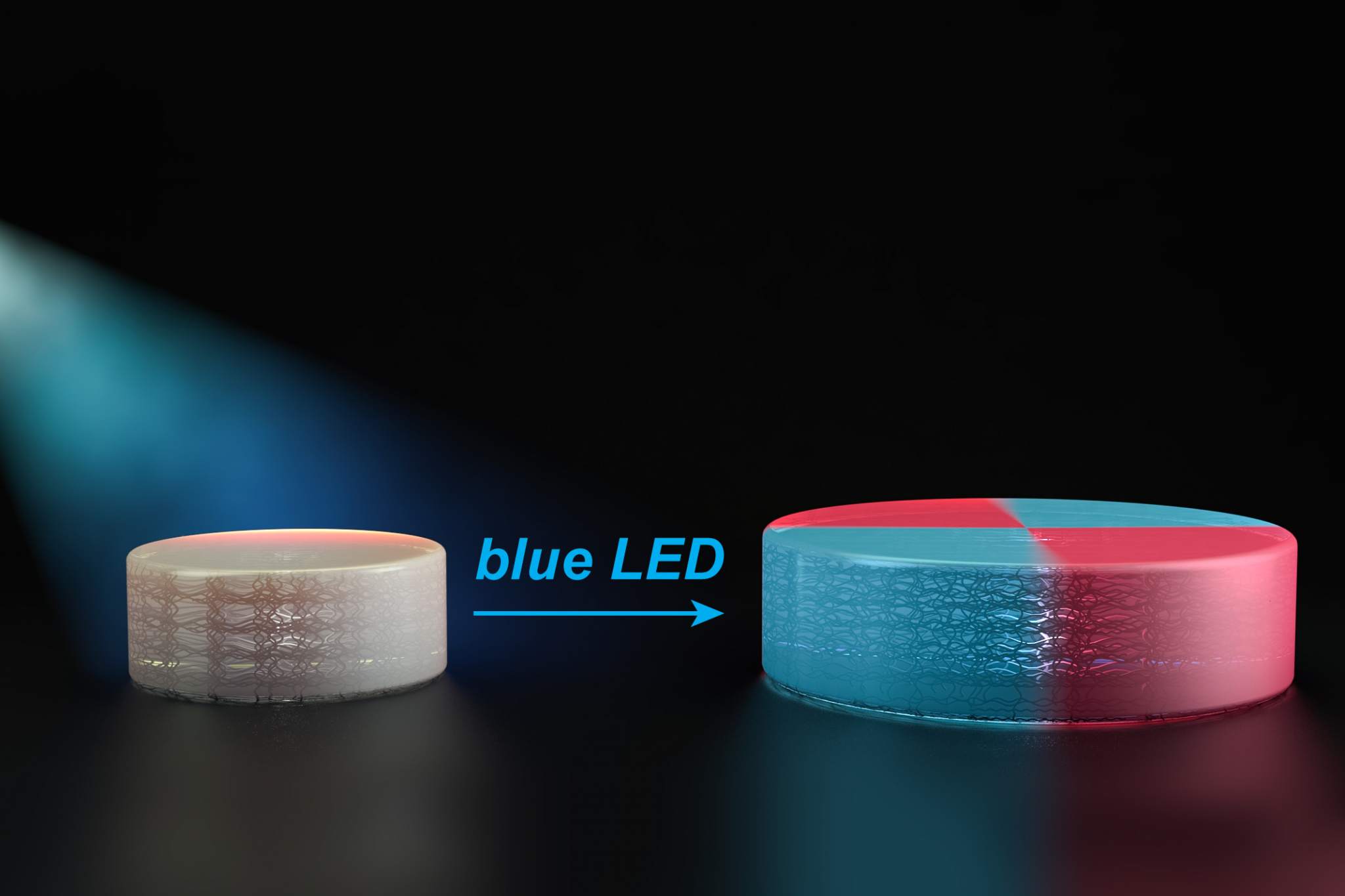
What it is: A group of MIT chemists developed a new adaptable 3D printing technique that crushes the notion that polymers cannot be extended to form new polymer chains. These new polymers can be reactivated by blue LED light, enabling users to manipulate and redesign the objects. The ability to print a material and subsequently use light to morph the material or grow the material further could greatly expand the complexity and functionality of 3D printed objects.
Why it's important: This adaptable 3D printing technique comes from the convergence of materials science and polymer science, and enables us to 3D print objects and change their properties without redesigning and printing new prototypes after each iteration. One of the top anticipated 3D printing breakthroughs Peter has described is a 'Factory in a Box' -- the combination of additive and subtractive manufacturing, which would deliver 100x speeds through machining, additive layering and even injection molding. As 3D printing capabilities evolve, this "factory of the future" will dematerialize, demonetize and democratize manufacturing, turning us all into creators. Join the Discussion
Spotted by Marissa Brassfield / Written by Sydney Fulkerson
Biocompatible Microrobots That Can be Implanted Into the Human Body

What it is: Engineers at Columbia University have created microrobots that are both implantable in the human body and controllable wirelessly via magnetic iron particles embedded in the device. Working with biocompatible hydrogels, the team invented a new technique for stacking the materials in layers, overcoming the inability to use traditional machining methods. The team then successfully used the the device to deliver a highly targeted dose of chemotherapy to mice with bone cancer, reducing tumor growth with far less toxicity.
Why it's important: Most current micro-devices require batteries or other toxic electronics, limiting their biocompatibility. Overcoming many of these challenges, the team opens up potential applications ranging from catheters to pacemakers, sensors and drug delivery. Imagine a future where such soft robots are able to not only treat disease, as in this example, but also detect and monitor the state of various systems noninvasively. Join the Discussion
Spotted by Cody Rapp / Written by Jason Goodwin
Synthetic Stem Cells Offer Benefits of Natural Stem Cells Without the Risks

What it is: Scientists at NC State, UNC Chapel Hill, and First Affiliated Hospital of Zhengzhou University in China have created the first synthetic cell-mimicking microparticle, capable of delivering growth and regenerative factors like a stem cell. In a mouse model, the microparticles were able to promote growth and repair after myocardial infarction similar to a real stem cell, but without the risk of immune rejection or tumor growth. The particles also have better preservation stability than natural stem cells, withstanding harsh freezing and thawing cycles.
Why it's important: As the authors note, although the first application targeted the heart, this type of microparticle is a platform that can be used with other organ systems. In the near future, look for expanded use of stem cell therapies for cellular rejuvenation in the event of disease or organ failures. Longer term, we'll be able to apply this cellular rejuvenation to otherwise healthy but aging systems, enabling radical life extension. Join the Discussion
Spotted by Aryadeep S. Acharya / Written by Jason Goodwin
14-Year-Old Indian Schoolboy Signs Government Contract to Make Anti-Landmine Drones

What it is: Fourteen-year-old Harshwardhan Zala has signed a deal to produce anti-landmine drones with the Government of Gujarat's Department of Science and Technology, a contract worth about $733,000. The 10th grader from India presented the drone prototype in 2016, which cost about $7,300 to make with partial financing from the government. Zala said the idea came to him after learning in the media about the high army casualties caused by landmines. The drones will contain infrared and RGB sensors, a thermal meter, and a 21-megapixel camera with a mechanical shutter for high-resolution image capturing. The Gujarat government hopes that these anti-landmine drones will eventually be commercially produced.
Why it's important: One of the next big breakthroughs in drone research and development will be "sense-and-avoid." Just as Harshwardhan's goal for his drone is to detect landmines using sensors and cameras, drones will "need to have eyes," as explained by Chris Anderson, CEO of 3D Robotics. "They'll need to use [sensors] to autonomously avoid obstacles and fly. It's environmental awareness and it is necessary to safely navigate worlds they've never explored. Eventually, the data from autonomous drones will convince the regulators that they're safer than having a pilot." Join the Discussion
Spotted by Dan Swift / Written by Sydney Fulkerson
Robot Cars Can Learn to Drive Without Leaving the Garage

What it is: Researchers at Princeton have created a computer vision system capable of mining Google Street View and OpenStreetMap, creating a training set for autonomous driving systems. OpenAI released a similar training set as part of its Universe platform, allowing an autonomous driving system to train on Grand Theft Auto V.
Why it's important: While these cannot fully replicate real on-the-road data, these data sets and their progeny will allow autonomous systems to learn faster, and with scenarios that they may only rarely encounter, such as complex intersections. Importantly, as these are also being open-sourced, this is a big step towards democratizing and demonetizing the data we use to create autonomous systems. Look for an explosion in autonomous driving systems beyond Google, Tesla, and the major automakers who are able to afford the large fleets needed to acquire real data. Join the Discussion
Spotted by Marissa Brassfield / Written by Jason Goodwin
What is Abundance Insider?
This email is a briefing of the week's most compelling, abundance-enabling tech developments, curated by Marissa Brassfield in preparation for Abundance 360. Read more about A360 below.
Want more conversations like this?
At Abundance 360, Peter's 250-person executive mastermind, we teach the metatrends, implications and unfair advantages for entrepreneurs enabled by breakthroughs like those featured above. We're looking for CEOs and entrepreneurs who want to change the world. The program is highly selective. If you'd like to be considered, apply here.
Know someone who would benefit from getting Abundance Insider? Send them to this link to sign up.
P.S. I'm launching an online course with SUCCESS Magazine called Xponential Advantage. It's aimed to inspire, educate and guide a new breed of "Exponential Entrepreneurs," and is an expansion of my core content from Abundance and BOLD, the keynotes I give to Fortune 500 executive teams, and some of the material I teach executives who attend Singularity University. These are the areas I truly believe an exponential entrepreneur can leverage to have a billion-person impact. Learn more about the course here.
If you wish to stop receiving our emails or change your subscription options, please Manage Your Subscription
PHD Ventures , 800 Corporate Pointe, Suite 350, Culver City, CA 90230
PHD Ventures , 800 Corporate Pointe, Suite 350, Culver City, CA 90230

Sunday, January 15, 2017
Fwd: stem cell revolution
We are at the cusp of a stem cell revolution.
Understanding and harnessing these unique cells may unlock breakthroughs in longevity and therapeutic solutions to all kinds of chronic diseases and regenerative opportunities.
Last month, I took a trip down to the Stem Cell Institute in Panama City with Dr. Bob Hariri (Co-Founder of Human Longevity Inc.) to get stem cell injections in my knee and shoulder as an alternative to reconstructive surgery.
Aside from the injections, I had a chance to interview the directors of the Institute, Dr. Jorge Paz Rodriguez and Dr. Neil Riordan, as well as Dr. Bob Hariri, to discuss the future of stem cell therapy.
In this blog we will discuss:
- What are stem cells?
- Future of stem cell therapeutics
- Recent success stories with stem cells
What are Stem Cells?
Stem cells are undifferentiated cells that can transform into specialized cells such as heart, neurons, liver, lung, skin and so on, and can also divide to produce more stem cells.
In a child or young adult, these stem cells are in large supply, acting as a built-in repair system.
They are often summoned to the site of damage or inflammation to repair and restore normal function.
But as we age, our supply of stem cells begins to diminish as much as 100- to 10,000-fold in different tissues and organs.
In addition, stem cells undergo genetic mutations, which reduce their quality and effectiveness at renovating and repairing your body.
A useful analogy is to imagine your stem cells as a team of repairmen in your newly constructed mansion.
When the mansion is new and the repairmen are young, they can fix everything perfectly. But as the repairman age and reduce in number, your mansion eventually goes into disrepair and eventually crumbles.
But what if you could restore and rejuvenate your stem cell population?
One option is to extract and concentrate your own autologous adult stem cells from places like your adipose (or fat) tissue. But these stem cells are fewer in number and have undergone mutations from their original 'software code.'
Many scientists and physicians now prefer an alternative source, obtaining stem cells from the placenta or umbilical cord, the leftovers of birth.
These stem cells, available in large supply and expressing the undamaged software of a newborn, can be injected into joints or administered intravenously to rejuvenate and revitalize.
One can think of these stem cells as chemical factories generating vital growth factors that can help to reduce inflammation, fight autoimmune disease, increase muscle mass, repair joints, and even revitalize skin and grow hair.
Future of Stem Cell Therapeutics
Over the last decade, the number of publications per year on stem cell-related research has increased 40x. The size of the stem cell market size is expected to reach $170 billion by 2020.
Rising R&D initiatives to develop therapeutic options for chronic diseases and growing demand for a regenerative treatment option are the most significant drivers of this budding industry.
Here are the top four areas in the space to watch out for:
1. Tissue engineering: Tissue engineering using the body's own stem cells to repair, replace or augment diseased tissue is a rapidly evolving field. Patients with a variety of diseases may be treated with transplanted tissues and organs. However, we face a shortage of donor tissues and organs, which is worsening yearly because of the aging population. Scientists in the field of tissue engineering are applying the principles of cell transplantation, material science, and bioengineering to construct biological substitutes that will restore and maintain normal function in diseased and injured tissues. The stem cell field is also advancing rapidly, opening new options for cellular therapy and tissue engineering. Use of postnatal stem cells has the potential to significantly alter the perspective of tissue engineering.
2. Stem cell banking: "At your moment of birth, you are probably at the point of biological perfection," says Dr. Bob Hariri. "Your system hasn't been exposed to all of those injurious stimuli, like electromagnetic radiation, chemicals, etc., and your biological software is uncorrupted." Stem cell banking allows us to capture stem cells with your original, uncorrupted DNA at birth, replicate them into a large number of future dosages and then freeze those doses. Hariri discovered that in addition to cord blood (the blood found in the umbilical cord of a newborn), the placenta of a newborn is an organ very rich in stem cells. Rather than discard the leftovers of birth, placentas, if saved, may hold the key to a longer and healthier life. Hariri created a business called LifebankUSA, which provides private cell banking (FYI, this is where we banked our children's stem cells). Lifebank isolates, processes and cryopreserves cells (putting them into a deep freeze, about minus 180 degrees Celsius), keeping them in suspended animation at the most pristine state of their existence.
3. Clinical applications of MSCs: Mesenchymal stem cells, the major stem cells for cell therapy, have been used in the clinic for approximately 10 years. Currently, 344 registered clinical trials in different clinical trial phases are aimed at evaluating the potential of MSC-based cell therapy worldwide. From animal models to clinical trials, MSCs have afforded promise in the treatment of numerous diseases. The ability of MSCs to differentiate into osteoblasts, tenocytes and chondrocytes has attracted interest for their use in orthopedic settings. First, MSCs have been shown to be beneficial in treating bone disorders, such as osteogenesis imperfecta (OI) and hypophosphatasia. Other promising therapeutic avenues for MSCs include the treatment of autoimmune disease, cardiovascular disease, liver disease and cancer.
4. Parabiosis: A San Francisco-based startup called Ambrosia recently commenced one of the trials on parabiosis. Their protocol is simple: Healthy participants aged 35 and older get a transfusion of blood plasma from donors under 25, and researchers monitor their blood over the next two years for molecular indicators of health and aging. The study is patient-funded; participants, who range in age from late 30s through 80s, must pay $8,000 to take part, and live in or travel to Monterey for treatments and follow-up assessments. Ambrosia's founder Jesse Karmazin became interested in launching a company around parabiosis after seeing impressive data from animals and studies conducted abroad in humans: In one trial after another, subjects experience a reversal of aging symptoms across every major organ system. "The effects seem to be almost permanent," he says. "It's almost like there's a resetting of gene expression." This company has recently received funding from Peter Thiel. Infusing your own cord blood stem cells as you age may have tremendous longevity benefits.
Recent Stem Cell Success Stories
Below are my top three stories demonstrating the incredible research and implications for stem cells over the past 12 months:
a) Stem Cells Able to Grow New Human Eyes: Biologists led by Kohji Nishida at Osaka University in Japan have discovered a new way to nurture and grow the tissues that make up the human eyeball. The scientists are able to grow retinas, corneas, the eye's lens, and more using only a small sample of adult skin.
b) Stem Cell Injections Help Stroke Victims Walk Again: In a study out of Stanford, of 18 stroke victims who agreed to stem cells treatments, seven of them showed remarkable motor function improvements. This treatment could work for other neurodegenerative conditions such as Alzheimer's disease, Parkinson's and Lou Gehrig's Disease.
c) Stem Cells Help Paralyzed Victim Gain Use of Arms: Doctors from the USC Neurorestoration Center and Keck Medicine of USC injected stem cells into the damaged cervical spine of a recently paralyzed 21-year-old man. Three months later, he showed dramatic improvement in sensation and movement of both arms.
In Conclusion
As humans, we've just come to accept the notion that we are going to die.
However, the keys to our longevity and health may lie in our source code.
In the next two decades, stem cells are going to change medicine forever, extend life, and potentially save your life.
We truly live during the most exciting time ever in human history.
Join Me
On January 17, Peter is holding a webinar (featuring special guest Tony Robbins) to tell you about Xponential Advantage, a new digital program he created with Success Magazine aimed to inspire, educate and guide a new breed of "Exponential Entrepreneurs." Click here to learn more and register.
P.S. Every week I send out a "Tech Blog" like this one. If you want to sign up, go to Diamandis.com and sign up for this and Abundance Insider.
P.P.S. My dear friend Dan Sullivan and I have a podcast called Exponential Wisdom. Our conversations focus on the exponential technologies creating abundance, the human-technology collaboration, and entrepreneurship. Head here to listen and subscribe: a360.com/podcast
If you wish to stop receiving our emails or change your subscription options, please Manage Your Subscription
PHD Ventures , 800 Corporate Pointe, Suite 350, Culver City, CA 90230
PHD Ventures , 800 Corporate Pointe, Suite 350, Culver City, CA 90230
Friday, January 13, 2017


Sunday, January 8, 2017
Fwd: 3 min summary of CES 2017
---------- Forwarded message ----------
From: Peter Diamandis <peter@diamandis.com>
Date: Sun, Jan 8, 2017 at 10:01 AM
Subject: 3 min summary of CES 2017
To: STeve <stevescott@techacq.com>

From: Peter Diamandis <peter@diamandis.com>
Date: Sun, Jan 8, 2017 at 10:01 AM
Subject: 3 min summary of CES 2017
To: STeve <stevescott@techacq.com>
I just returned from Las Vegas, after walking 20,000 steps on the floor of the annual Consumer Electronics Show (CES).
It's huge. For reference, CES showcases 2.47 million square feet of exhibit space, hosts 180,000 visitors, and welcomes 8,000 members of the media from around the world.
If you didn't get a chance to go this year, here's a 3-minute video summary on drones and a 3-min summary on other tech.
These were my top highlights -- the 0.1% that I think are worth your time. Check them out:
Video 1: DRONES

Video 2: AR, Cars and Robots

Also, in case you missed it, last week I reviewed the past 365 days of technology breakthroughs and published a review of the top 10 "tech trends" transforming our world over the last year. >>>Take a look here.
Join Me
This is the sort of conversation we explore at my Executive Mastermind group called Abundance 360.
The program is highly selective. If you'd like to be considered, apply here.
Share this with your friends, especially if they are interested in any of the areas outlined above.
P.S. What kind of entrepreneur are you? I've identified four types. Find out which one you are with this 5-question quiz I co-created with Success.
If you wish to stop receiving our emails or change your subscription options, please Manage Your Subscription
PHD Ventures , 800 Corporate Pointe, Suite 350, Culver City, CA 90230
PHD Ventures , 800 Corporate Pointe, Suite 350, Culver City, CA 90230
Friday, January 6, 2017
Fwd: Abundance Insider: January 6 Edition

In this week's Abundance Insider: Disease-detecting breathalyzers, programmable silk, and design-your-own-drone software.
Cheers,
Peter, Marissa, Cody, Kelley, Greg, Sydney and AJ
P.S. Are you an exponential entrepreneur? Evaluate your mindset with this 5-question quiz I co-created with Success.
Tesla Autopilot's New Radar Technology Predicts an Accident Caught on Dashcam a Second Later

What it is: A few months ago, Tesla pushed out new radar processing technology to all vehicles equipped with its first generation Autopilot hardware, enabling a number of new safety features, such as the ability to see two vehicles in front of you. Since then, we've seen several examples of avoided collisions, but this dashcam footage of a Tesla predicting and avoiding a rollover collision in the Netherlands a couple weeks ago is especially chilling. As Electrek reports, "What is most impressive is that fact that we can clearly hear the Forward Collision Warning alert before the lead vehicle even applied the brake, which shows that the Autopilot wasn't only using the lead vehicle to plan the path, but also the vehicle in front of it -- the black SUV. The driver of the Tesla also reported that Autopilot started braking before he could apply the brakes himself."
Why it's important: Criticism of Tesla's Autopilot technology often focuses on its limitations and accidents. This visceral video turns the conversation in a more positive direction, highlighting how current self-driving technology can already outperform some human drivers. As we develop more sensors and incorporate more types of data, these autonomous driving algorithms will become increasingly impressive. Join the Discussion
Spotted by Marconi Pereira / Written by Jason Goodwin
Engineers Create Programmable Silk-Based Materials With Embedded, Predesigned Functions

What it is: Using a technique based on protein self-assembly, researchers at Tufts have created materials out of silk fibroin, the protein that gives silk its durability. Ranging from the nano to micro-scale in size, these solids can be preprogrammed with biological, chemical or optical functions, such as changing color in response to stress or heating up in response to infrared light.
Why it's important: Because the methods here are water-based and fibroin is a biocompatible polymer, the applications are numerous, from orthopedic screws that release their own enzymes to building materials that respond to environmental stimuli. When materials are also sensors, we enable a true Internet of Everything. Join the Discussion
Spotted by Aryadeep S. Acharya / Written by Jason Goodwin
World's Largest Hedge Fund to Replace Managers With Artificial Intelligence

What it is: Using a system called the Systematized Intelligence Lab, headed up by IBM Watson's lead developer David Ferrucci, Bridgewater Associates plans to automate over 75% of its management decisions within five years. With over $160 billion in management, founder Ray Dalio said the firm wants to remove the emotional volatility from decisions like finding the right staff for a job, or ensuring the company continues to operate according to his principles in his absence.
Why it's important: Many, including the popular press, have assumed that AI would initially replace activities like manufacturing and trading. When we can create a comfortable human interface for a managerial AI, look for truly exponential organizations to emerge, as entrepreneurs will be empowered to accomplish much more with much less. Join the Discussion
Spotted by Gaetan Soltesz / Written by Jason Goodwin
Scientists Have Developed a Breathalyzer to Diagnose 17 Diseases With One Breath From a Patient

What it is: Led by Hossam Haick at the Israel Institute of Technology, researchers have developed a breathalyzer that can diagnose up to 17 different diseases from a single breath. Using gold nanoparticles and carbon nanotubes, the device reacts with the 100 or so volatile compounds in our breath. Applying this technology to 1,400 patients suffering from a range of diseases from cancer to neurological disorders, the team used an artificial intelligence system to arrive at a signature for each disease.
Why it's important: New, surprising discoveries happen when breakthroughs from multiple disciplines converge. Here, advances in materials science and nanotechnology combine with AI, machine learning and advances in our understanding of biomarkers. As sensor technology improves, and we're better able to process data in the cloud, we'll be able to diagnose and predict disease with unprecedented speed and accuracy. Join the Discussion
Spotted by Gaetan Soltesz / Written by Jason Goodwin
Researchers Have Finally Discovered the Key to Naturally Stripping Sugar From All Our Foods

What it is: Colorado startup MycoTechnology is working a way to maintain a product's taste while cutting back on its sugar content. Their approach consists of deploying invisible fungi molecules called mycelium that remain on a person's tastebuds while they chew food -- producing naturally occurring "bitter blockers" that other food companies commonly depend on sugar to mask. The molecules remain on the tongue for about 10 seconds, which is enough time to block the bitter flavors. MycoTechnology has a deal with GLG Life Tech, one of the biggest publicly traded producers of the zero-calorie sweetener stevia, which will enable mycelium to be used all over the world.
Why it's important: Evidence that as we're able to gather, analyze and combine more data, we're better equipped than ever to solve our biggest challenges in any area -- in this case, health and nutrition. The reason why sugar is added in such excessive quantities into our foods is to mask or hide the bitter qualities of that product. Without flavor defects such as bitterness, we can now create products that have drastically less to no sugar added. As added sugar consumption is linked to heart disease, obesity and a variety of other ailments, this breakthrough has significant implications for health and longevity. Join the Discussion
Spotted by Josh Hahn / Written by Sydney Fulkerson
Canada Sets Universal Broadband Goal of 50Mbps and Unlimited Data for All

What it is: Canada recently declared that all Canadians should be able to have broadband Internet with 50Mbps download speeds and 10Mbps uploads, including unlimited data options and the ability to access the Canadian Radio-Television and Telecommunications Commission (CRTC). Today, about 18% of Canadians -- 2 million households -- don't have access to this kind of high-speed Internet. The CRTC's goal is to take that number down to 10% by 2021, and ultimately down to zero in the next 10 to 15 years. This decision is part of the CRTC's federal government plan to spend $500 million over five years to improve infrastructure and accessibility for schools and hospitals.
Why it's important: Peter recently mentioned how we are hyperconnecting the world. In 2010, 1.8 billion people were connected. Today, that number is about 3 billion, and by 2022 to 2025, that number will expand to include every human on the planet, approaching 8 billion humans. Canada's declaration of broadband Internet being an essential technology -- effectively, a basic human right -- is proof of our world's exponential growth in connectivity. Join the Discussion
Spotted by Gaetan Soltesz / Written by Sydney Fulkerson
MIT Research Paves the Way for DIY Drones of All Shapes and Sizes

What it is: A team of researchers from MIT's Computer Science and Artificial Intelligence Laboratory developed a software tool for people to design and optimize their own drones. The software tool works by allowing people to drag and drop standard drone components -- including propellers, support rods, and various body frames -- to build their own drone. Once users finalize their design, it gets processed by an algorithm that can optimize the drone for payload, cost and battery time within seconds. Although the team doesn't have plans to release or commercialize the product as of yet, they may launch an open-source version in the near future. In the longer term, the team hopes that custom drone design could play a role in the creation of unmanned aerial vehicles that can carry specialized payloads.
Why it's important: One of the top 10 tech trends Peter mentioned in his most recent tech blog is the emergence of drones and their transformation of humanity: "We are headed towards a world where autonomous drones will image the world at millimeter resolution, deliver products and packages, and transport humans to remote areas that were previously inaccessible by roads." With the customization of drones, this transformation could have an even larger impact than we imagined. Join the Discussion
Spotted by Aman Merchant / Written by Sydney Fulkerson
India's PM Just Launched a Stripped-Down App for Mobile Payments

What it is: India's Prime Minister Narendra Modi recently launched a new e-payment system called Bharat Interface for Money (BHIM). Developed by the National Payments Corporation of India, the app uses the Unified Payments Interface (UPI) to simplify money transfer between banks by allowing payments to be sent to or received from a virtual address. India hopes the app's minimum functionality for cashless money transfers will encourage more people to start using it.
Why it's important: Because UPI-based apps enable quick money transfers across multiple banks, adoption of this technology could help India achieve a true cashless society. It's also a compelling case study into how governments can support technology innovation and adoption. Join the Discussion
Spotted by Peter Diamandis / Written by Sydney Fulkerson
What is Abundance Insider?
This email is a briefing of the week's most compelling, abundance-enabling tech developments, curated by Marissa Brassfield in preparation for Abundance 360. Read more about A360 below.
Want more conversations like this?
At Abundance 360, Peter's 250-person executive mastermind, we teach the metatrends, implications and unfair advantages for entrepreneurs enabled by breakthroughs like those featured above. We're looking for CEOs and entrepreneurs who want to change the world. The program is highly selective. If you'd like to be considered, apply here.
Know someone who would benefit from getting Abundance Insider? Send them to this link to sign up.

If you wish to stop receiving our emails or change your subscription options, please Manage Your Subscription
PHD Ventures , 800 Corporate Pointe, Suite 350, Culver City, CA 90230
PHD Ventures , 800 Corporate Pointe, Suite 350, Culver City, CA 90230
Subscribe to:
Posts (Atom)